
How do you build a vacation home in Thailand?
Building a vacation home in Thailand starts with confirming legal land use and setting a realistic budget. Design for heat and rain, and choose a reliable builder with local experience. Most problems come from weak due diligence, unclear contracts, underplanned infrastructure and poor site supervision rather than architecture.
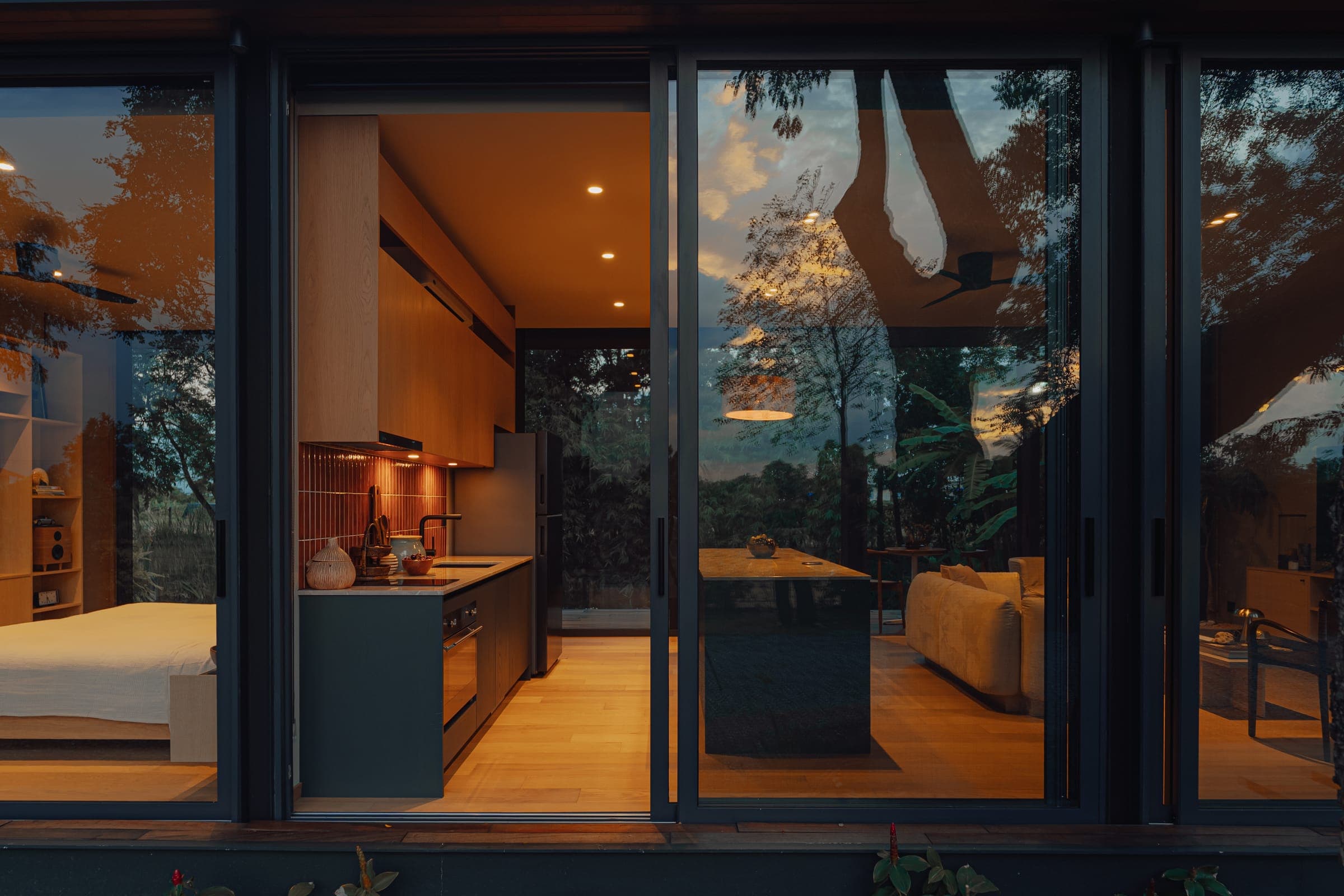
Building a vacation home in Thailand is usually straightforward when you verify land rights early, design for the tropical climate, and match your budget to local construction realities. Whether you are planning on the coast or in the highlands, success depends less on style and more on site due diligence, approvals, utilities, flood strategy, and builder management.
- Check land title, zoning, road access, setbacks, and utility availability before design work begins.
- Budget for foundations, drainage, retaining work, glazing performance, and ongoing maintenance, not only interior finishes.
- Choose a delivery method that fits your timeline: a fully site-built home or a modular home finished in a workshop.
What are the first steps to building a vacation home in Thailand?
The first steps are confirming land status, defining your budget, testing site constraints, and creating a design brief suited to Thailand’s climate. Before choosing finishes or floor plans, verify title, access, utilities, drainage, local rules, and intended use so the project can move from concept to construction without avoidable legal or technical delays.
Start with land due diligence. In Thailand, site value depends on more than location. You need to know the title type, access road condition, topography, flood exposure, and whether electricity and water are already available. A beautiful hillside plot in Phuket or Koh Samui can become expensive if retaining walls, deep foundations, or utility extensions are required.
Next, set a realistic project brief. Decide whether the home is mainly for family holidays, short-term stays, retirement, or mixed personal use. That affects room count, storage, shaded outdoor living, maintenance systems, and security. Bring in an architect, engineer, or design-build firm early so cost, buildability, and local approval requirements align from the beginning.
Where do people build vacation homes in Thailand?
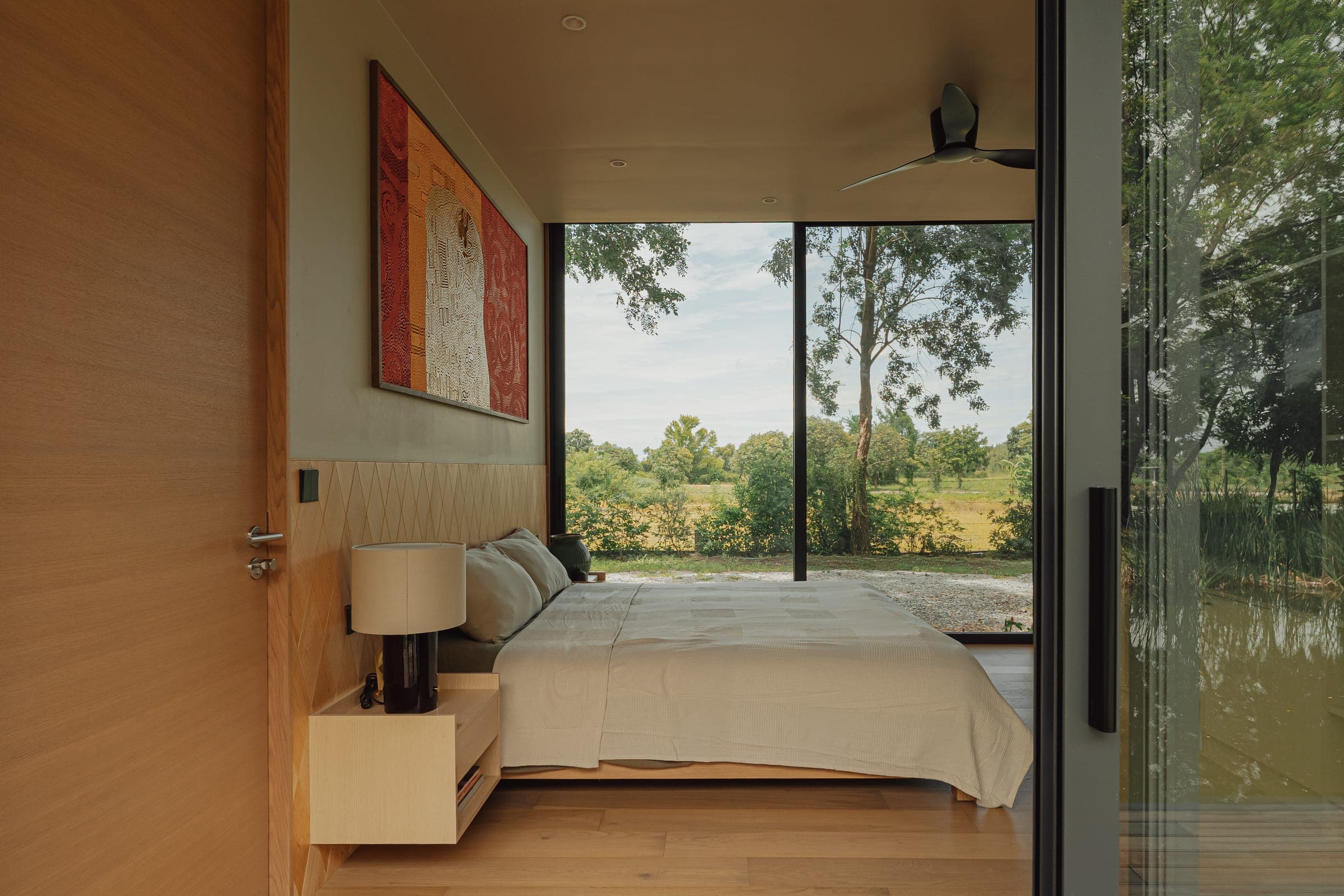
Popular choices split into the coast — Phuket, Koh Samui, Krabi and Hua Hin — and the cooler highlands, such as Khao Kho, Khao Yai and the hills around Chiang Mai. The coast offers sea views and rental demand; the highlands offer cooler nights and quieter land. Access and utilities matter more than the name.
INK's completed homes show both settings: a highland retreat in Khao Kho, Phetchabun, set in pine forest at 1,200 metres, and a Sati L on a hillside plot in Phuket overlooking the Andaman Sea. Each was shaped to its slope and its view.
Whichever region you choose, visit the plot in the rainy season, drive the access road in a large vehicle, and ask how far the nearest electricity and water connections are. Those three checks rule out more plots than any architectural question.
What legal and land issues should you check before building?
Before building in Thailand, confirm that the land title, zoning, access rights, and permitted use support residential construction. Buyers should also verify setbacks, easements, utility rights, and local authority requirements. Early review by a qualified Thai lawyer and project team reduces the risk of disputes, redesign, delays, and unplanned site costs.
Legal review should cover the land title, sale documents, encumbrances, and whether the plot can actually support the intended house. Rules can vary by province and municipality, so local interpretation matters. Agencies such as the Department of Public Works and Town & Country Planning influence planning conditions, while utility coordination may involve separate authorities depending on the area.
Foreign buyers should be especially careful about ownership structures, lease arrangements, and any company-related setup. This page is not legal advice, but it is a reminder that structure matters as much as design. Use a Thai lawyer and ask for written confirmation on access, buildability, setbacks, and basic permitting assumptions before major deposits or construction commitments.
How much does it cost to build a vacation home in Thailand?
The cost of a vacation home in Thailand depends on location, site complexity, structural specification, glazing, mechanical systems, and finish level. Coastal plots, steep land, imported materials, and custom detailing raise budgets quickly. Buyers should separate land cost from build cost and keep a contingency for drainage, foundations, and scope changes.
Construction budgets in Thailand vary widely between Bangkok, Hua Hin, Pattaya, Chiang Mai, Phuket, and island markets such as Koh Samui. A flat serviced site may be comparatively efficient, while sloped coastal plots can require excavation, piling, retaining walls, and rainwater management. Those hidden items often change costs more than kitchens, flooring, or decorative materials.
| Cost area | Why it changes | Common budget effect |
|---|---|---|
| Site works | Slope, soil, drainage, retaining | Can materially increase early-stage cost |
| Structure | Span, engineering, wind and rain exposure | Affects concrete, steel, and foundation budgets |
| Envelope | Roofing, insulation, glazing, shading | Changes comfort, energy use, and maintenance |
| Finishes and systems | Bathrooms, kitchen, air conditioning, solar, pool | Creates the widest range between mid and high specification |
For a published reference point, INK's fitted Sati M (79 m²) starts from ฿2,900,000 and Sati L (113 m²) from ฿4,100,000, excluding VAT. Our guide to vacation home costs shows how to build a full budget around a house price.
What design choices work best for Thailand’s climate?
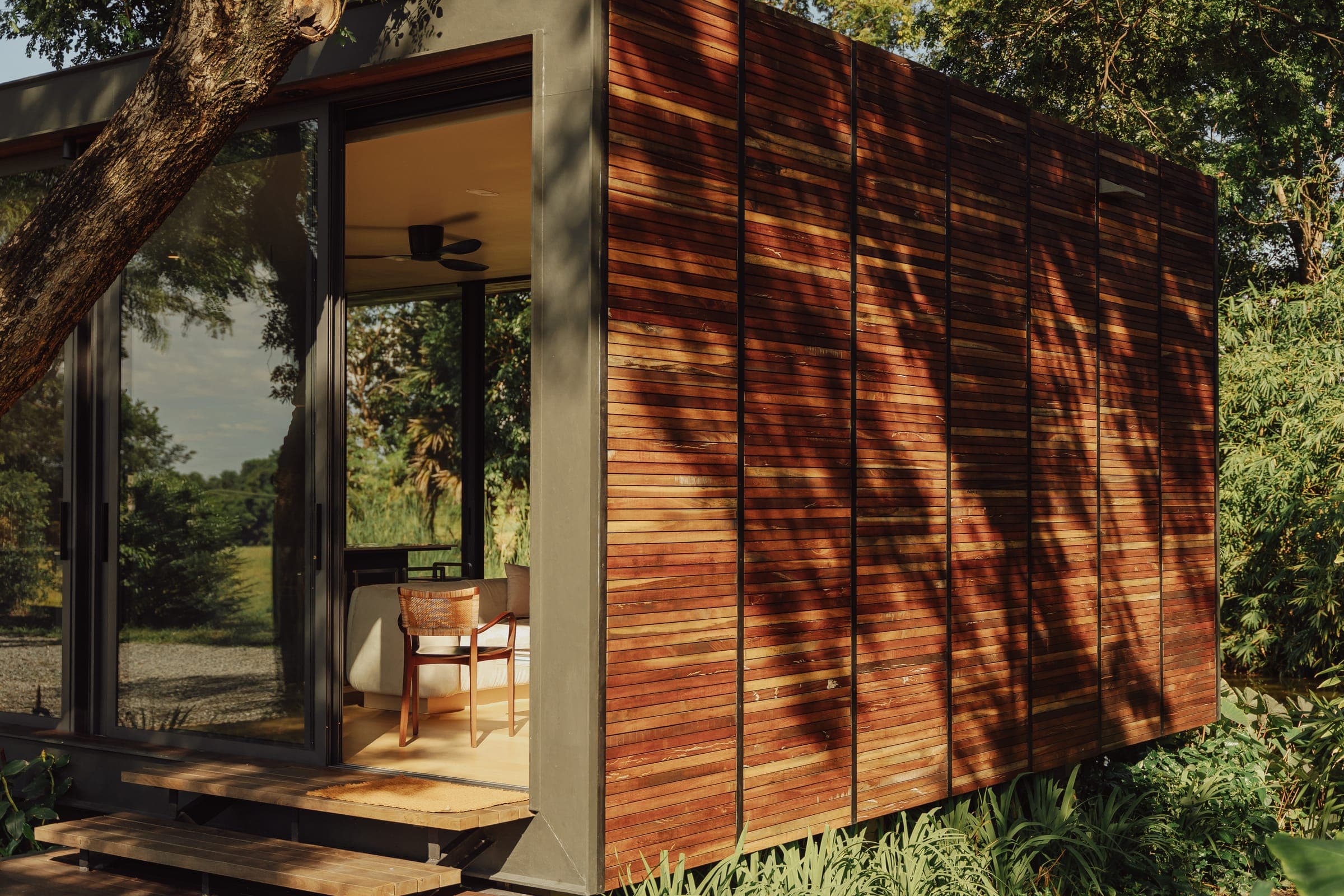
The most effective vacation home designs in Thailand reduce heat gain, manage heavy rain, improve airflow, and simplify maintenance. Good results usually come from roof overhangs, shaded glazing, durable materials, moisture control, and practical indoor-outdoor layouts rather than oversized glass boxes that look impressive but perform poorly in tropical conditions.
Thailand’s climate rewards passive design. Wide eaves, covered terraces, screened openings, cross ventilation, and careful building orientation can reduce solar load and improve comfort before air conditioning is even considered. In places like Phuket or Pattaya, salt air and humidity also influence metal choice, paint systems, sealants, and hardware durability over time.
Material selection matters as much as form. Roof assemblies, insulation, waterproofing, and glazing specification shape comfort and maintenance costs for years. A vacation home also sits empty at times, so moisture management, smart controls, insect protection, and easy-to-clean surfaces become operational priorities. Tropical architecture is successful when it is resilient, not simply visually open.
Should you choose site-built or modular construction?
In Thailand, site-built construction offers the most layout freedom, while a modular home built by one experienced team can improve speed, coordination and quality control. The right choice depends on site access, how much customisation you need, budget certainty, and how much workshop production can cut weather delays, waste and on-site complexity.
Custom building suits unusual plots, highly tailored architecture, or clients who want complete design freedom. The tradeoff is that coordination on site can become more variable, especially if multiple subcontractors are involved. A modular approach shifts more work into controlled production, which may help with consistency, timelines, and defect reduction when the supplier has strong engineering and installation processes.
For vacation homes, modular or hybrid systems can be practical because they shorten on-site disruption and make scope easier to define upfront. Still, they are not automatically simpler. Transport logistics, craning, access width, and foundation accuracy matter. Ask for engineering details, warranty terms, examples of completed projects, and a clear explanation of what is included in the quoted package.
How does INK build a vacation home?
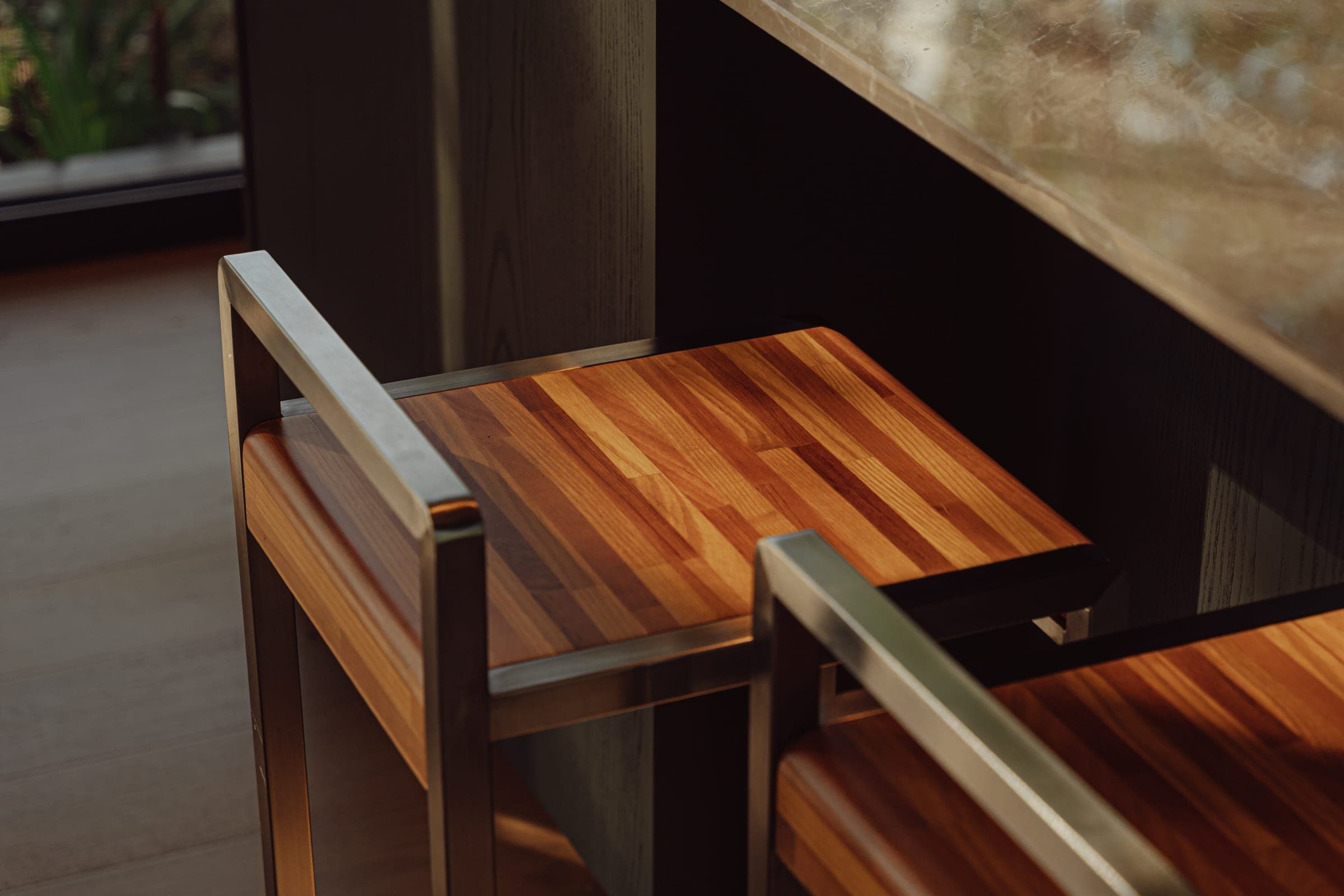
INK designs and builds every home in-house. Structural modules are fabricated in INK's own workshop while the foundation is prepared, then assembled on site by the same team that finishes the joinery. A Sati home is completed within four months from contract, which suits owners who cannot supervise a long build.
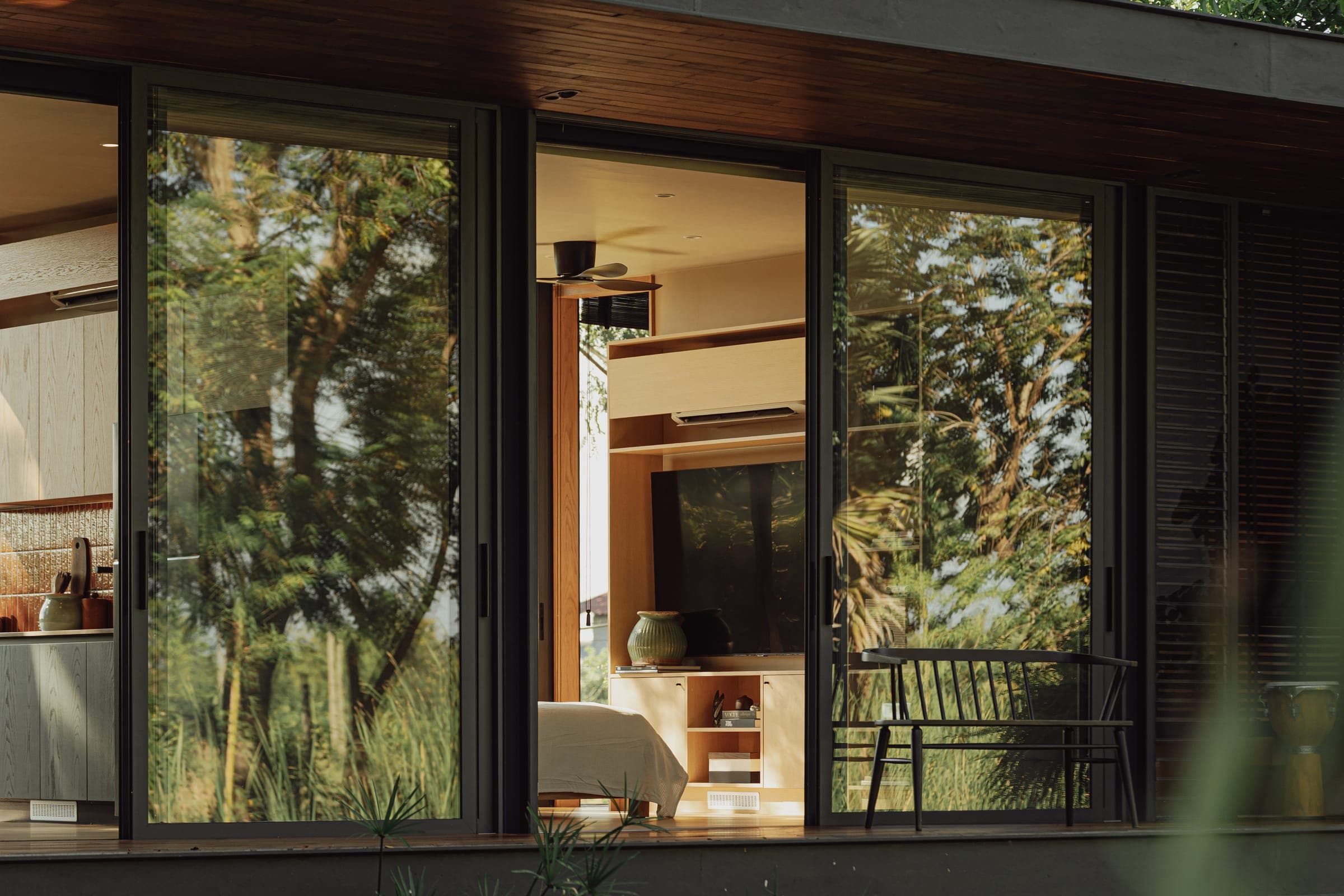
Each Sati is a single-storey pavilion with a steel beam structure, a 2.80 m ceiling and floor-to-ceiling glazing, fitted with air conditioning, built-in furniture and a complete kitchen. That fixed scope means fewer decisions to make from a distance. INK takes on a maximum of three homes per quarter; see how INK builds.
How do you choose a builder and manage construction risk?
Choosing a builder in Thailand should focus on transparency, technical capability, and process discipline rather than low headline pricing. A reliable team can explain scope, exclusions, timeline, supervision, payment stages, and warranty responsibilities. Construction risk falls when contracts, specifications, and site reporting are clear before work begins.
Compare builders on more than price. Ask who produces shop drawings, who supervises trades daily, how progress is documented, and how variations are approved. A low quote may exclude drainage, utility connections, structural upgrades, or finish allowances that appear later as extras. Clear schedules, milestone payments, and specification lists reduce misunderstanding on both sides.
Good project governance matters. Request references, visit active sites, and review previous work in comparable locations such as Hua Hin, Chiang Mai, or Phuket. If your home will stand vacant for part of the year, discuss maintenance access, commissioning, handover manuals, and aftercare. The strongest builder relationship is usually built on documentation, not assumptions.
What should you plan for after the home is finished?
After completion, a Thailand vacation home needs a practical operations plan covering maintenance, humidity control, security, utilities, and seasonal inspections. Homes near the coast or in humid regions need more frequent checks. Long-term value comes from maintainability, documented systems, and a realistic plan for occupancy gaps, staffing, and preventive repairs.
Think beyond handover day. Vacation homes often stay empty for weeks or months, which changes how you manage air conditioning, ventilation, pest control, plumbing, and security. Pool systems, water pumps, internet monitoring, and backup power may also matter depending on location. A preventive schedule is generally cheaper than deferred repair in tropical conditions.
Create an owner file with warranties, finish schedules, paint references, equipment manuals, and contractor contacts. If the property will be used for guests, set rules for servicing, housekeeping, linen storage, and small repair response. The most resilient Thailand homes are not only well built; they are easy to inspect, maintain, and operate over time.
Key takeaways
- Verify land title, access, utilities, and zoning before you commit to design or deposits.
- Separate land, site works, structure, and finish budgets to avoid misleading build-cost assumptions.
- Design for shade, rain, humidity, and maintenance, not only aesthetics or imported trends.
- Choose builders by scope clarity, supervision quality, and references, not just the lowest quote.
- Plan operations early if the home will sit vacant between holidays or seasonal stays.
Frequently asked questions
Can foreigners build a vacation home in Thailand?
Yes, but usually not on land they own. Foreigners can own the house itself and hold the land through a registered lease of up to 30 years, a superficies or a usufruct, or build on land owned by a Thai spouse. Our guide to whether foreigners can build a house in Thailand explains each route.
How long does it usually take to build a vacation home in Thailand?
It depends on the method, the design and the site. INK completes both the Sati M and the Sati L within four months from contract. Conventionally built homes of similar size often take a year or more, and permits, land preparation and the rainy season add time to any project.
Is modular construction a good option for a Thailand vacation home?
Modular construction can work well for Thailand vacation homes when the provider has proven engineering, transport planning, and installation experience. It may improve quality control and shorten on-site time, but success still depends on foundations, access, utility coordination, and clear scope definition rather than the format alone.
What mistakes are most common when building a holiday home in Thailand?
Common mistakes include skipping land due diligence, underestimating drainage and foundation needs, focusing too much on interior finishes, and choosing builders only by price. Many budget overruns come from exclusions, design changes, or weak supervision. Early planning and written specifications usually prevent more problems than last-minute problem solving.
This guide is general information and does not replace legal, tax, engineering or planning advice. Requirements vary by province, municipality, land title and ownership structure. Details of INK's homes come from its published SATI catalogue and project pages. Drafted with AI assistance and reviewed against INK's published information. Published by INK Homes.