
Can foreigners build a house in Thailand?
Yes. A foreigner can own a house in Thailand, but generally cannot own the land beneath it. Most foreign owners build on land held through a registered lease of up to 30 years, a superficies or a usufruct, or on land owned by a Thai spouse. Register every right at the Land Office.
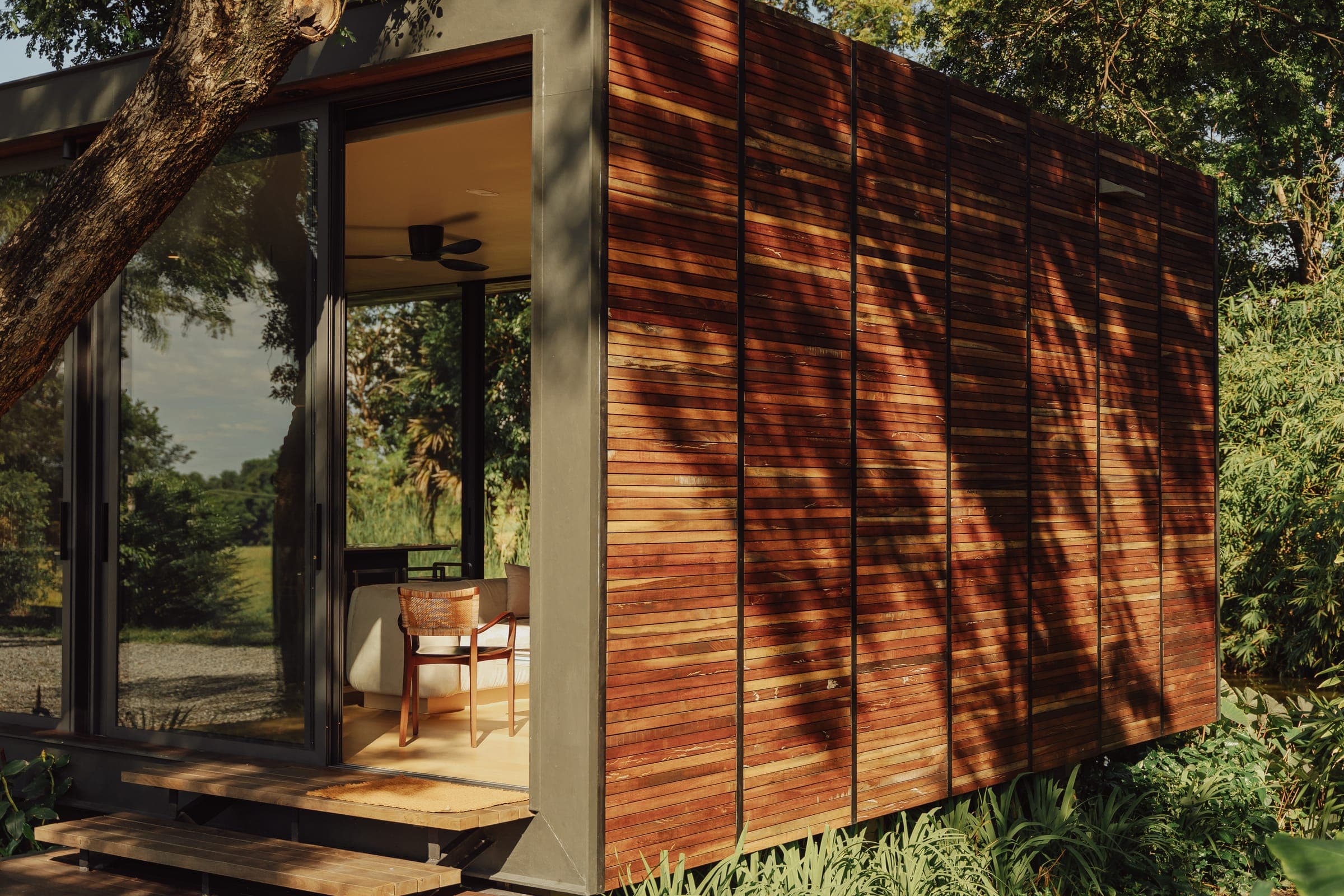
Thai law treats a building and the land it stands on as separate property. That distinction is what makes it possible for a foreigner to build and own a home in Thailand, even though the Land Code Act B.E. 2497 keeps land ownership almost entirely in Thai hands.
This guide sets out the legal routes most foreign homeowners use, the sections of Thai law behind them, and what to check before construction begins. It is general information, not legal advice: every plot and personal situation is different, so work with a licensed Thai lawyer before you buy land or sign a lease.
Can a foreigner own land in Thailand?
In practice, almost never. The Land Code Act B.E. 2497 allows foreigners to acquire land only under a treaty or a narrow ministerial exception. The best-known exception, Section 96 bis, requires an investment of at least 40 million baht and permits no more than one rai for residence, with Ministry of Interior approval.
Because those routes are rarely practical for a single home, most foreign homeowners do not try to own land. Instead they secure a registered right to use land owned by someone else, and own the house built on it in their own name.
Can a foreigner own a house built in Thailand?
Yes. Thai law allows a building to be owned separately from the land beneath it, so a foreigner can own a house in their own name. The building permit and the house registration can be in the foreigner's name, provided the landowner consents and the foreigner holds a registered right to use the land.
The building is only as secure as the land right underneath it. A house on land you have no registered right to use is exposed if the land is sold or the owner dies, so the land arrangement deserves as much care as the home itself.
How does a land lease work for a foreign homeowner?
A foreigner can lease land for up to 30 years under Section 540 of the Civil and Commercial Code. A lease of immovable property longer than three years must be in writing and registered at the Land Office to be enforceable for its full term. Promises to renew are contractual, not guaranteed extensions.
- Maximum term — 30 years per registration; it can be renewed by agreement, but the renewal itself must be registered again.
- Registration — at the Department of Lands office for the district where the land sits, with registration fees and stamp duty payable.
- Renewal options — clauses promising further 30-year terms bind the parties contractually but may not bind a new landowner or heir.
What are superficies and usufruct in Thai property law?
A superficies, under Section 1410 of the Civil and Commercial Code, gives you the right to own buildings on someone else's land. A usufruct, under Section 1417, gives you the right to use and occupy land. Both can be registered for a fixed term of up to 30 years or for a lifetime.
Many foreign homeowners combine a registered lease with a superficies, so that the right to use the land and the right to own the house on it are each recorded on the title deed. A usufruct is often used within families, for example where a Thai spouse or relative owns the land.
Can a foreigner build a house through a Thai company?
A Thai limited company with majority Thai shareholding can own land, but using Thai nominee shareholders to hold land on behalf of a foreigner is illegal. The Foreign Business Act B.E. 2542 and the Land Code prohibit nominee arrangements, and the Land Office may examine company structures when land is registered.
A company structure can make sense for a genuine business, such as a resort or rental project, with real Thai shareholders. It is not a workaround for owning a private home, and the penalties for nominee arrangements include forced sale of the land.
What happens if your spouse is Thai?
A Thai spouse can own land in their own name. When the land is registered, the foreign spouse is usually asked to sign a declaration at the Land Office confirming that the purchase money is the Thai spouse's personal property. The foreign spouse can then hold a usufruct or lease over the land and own the house.
Because the land legally belongs to the Thai spouse, couples often register a usufruct or lease in favour of the foreign spouse at the same time, so that both partners have a recorded right to live in the home.
What should a foreigner check before building in Thailand?
Before building, confirm the title deed type — a Chanote (Nor Sor 4 Jor) is the most secure — and that your lease, superficies or usufruct is registered on it. Then confirm the building permit requirements with the local authority, and agree in writing who owns the house. A licensed Thai lawyer should review every document.
- Check the land title at the Land Office and confirm the boundaries on site.
- Register your land right — lease, superficies or usufruct — before construction begins.
- Apply for the building permit, with the landowner's written consent if the land is not yours.
- Keep the house registration and construction contract in the name of the person who will own the building.
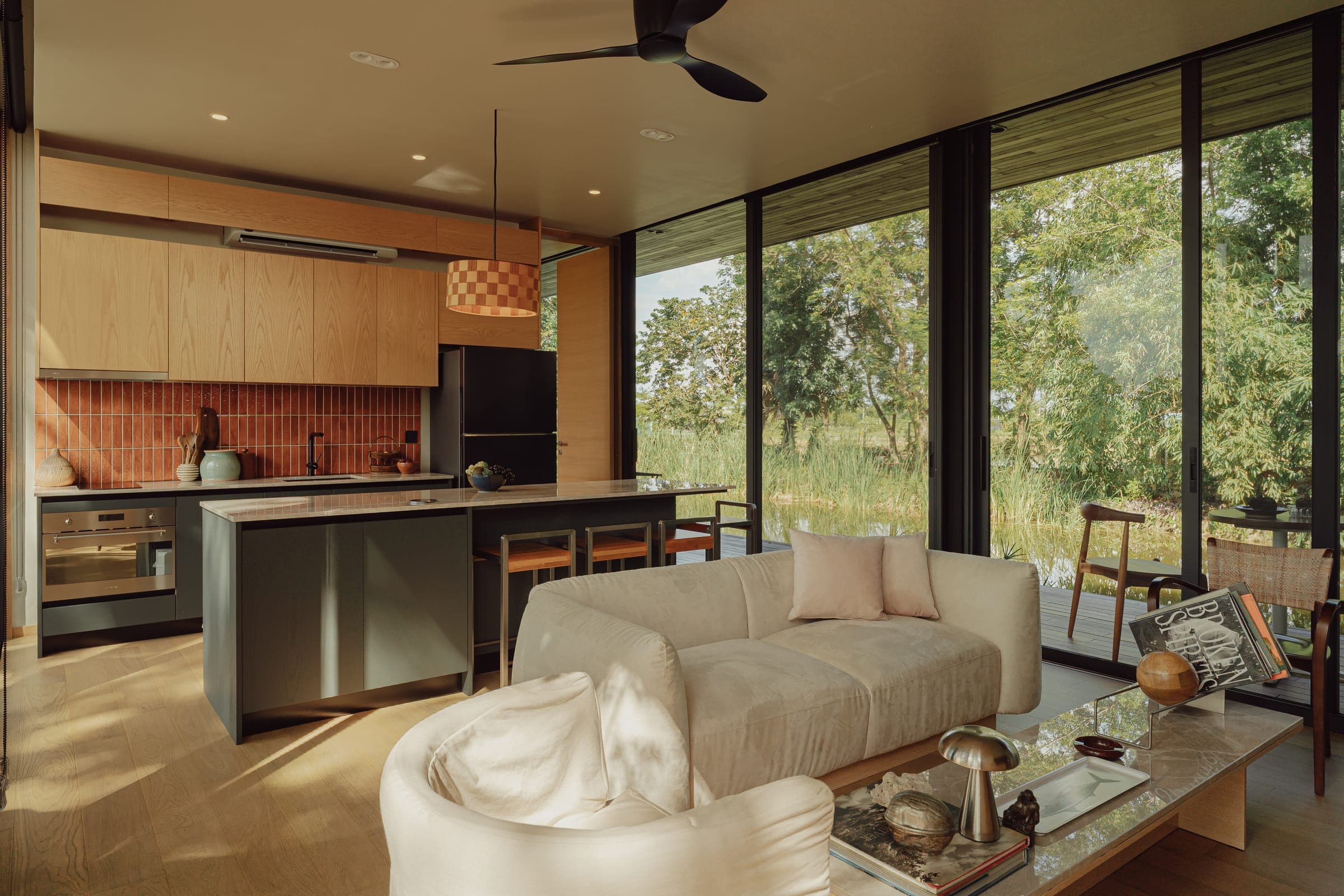
Once the land is settled, building can be quick: INK completes a Sati home within four months from contract. See what a modular home costs in Thailand to plan your budget.
Key takeaways
- Foreigners can own a house in Thailand in their own name, but generally cannot own the land beneath it.
- A registered lease of up to 30 years, a superficies or a usufruct gives a foreign owner a recorded right to the land.
- Leases longer than three years must be registered at the Land Office to be enforceable for their full term.
- Thai nominee shareholders holding land for a foreigner are illegal under the Foreign Business Act and the Land Code.
- A Thai spouse can own the land, with the foreign spouse holding a registered usufruct or lease over it.
Frequently asked questions
Can a foreigner buy land in Thailand?
Generally no. The Land Code Act B.E. 2497 restricts land ownership by foreigners to treaty cases and narrow exceptions, such as Section 96 bis, which requires an investment of at least 40 million baht for up to one rai of residential land. Most foreigners instead register a lease, superficies or usufruct.
How long can a foreigner lease land in Thailand?
Up to 30 years per registration under Section 540 of the Civil and Commercial Code. The lease must be in writing and registered at the Land Office to be enforceable beyond three years. It can be renewed by agreement, but each renewal must be registered again and is not guaranteed.
Can a foreigner get a building permit in Thailand?
Yes. A foreigner can apply for a building permit in their own name, provided the landowner gives written consent and the foreigner holds a right to use the land, such as a registered lease or superficies. Requirements are set by the local authority under the Building Control Act B.E. 2522.
What happens to my house if the land lease ends?
That depends on the lease terms. Many leases state whether the house is removed, transferred to the landowner or bought out when the lease ends, and a registered superficies can protect ownership of the building during its term. Agree this in writing, with a lawyer, before construction begins.
This guide is general information about Thai property law, current at the date shown, and is not legal advice. Laws, fees and Land Office practice change, and every case differs, so consult a licensed Thai lawyer before buying land, signing a lease or registering any right. Drafted with AI assistance. Published by INK Homes.